O’Connor Finger Dexterity Test
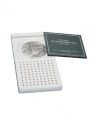
The O’Connor Finger Dexterity Test is a widely used assessment designed to measure fine finger dexterity, hand-eye coordination, and the ability to manipulate small objects quickly and accurately. The test requires the subject to place three pins into each hole on the test board, making it significantly more demanding than many standard pegboard tests.
Because of its emphasis on precise finger movements and speed, the O’Connor Finger Dexterity Test is often used to evaluate an individual’s suitability for tasks requiring exceptional manual dexterity.
Typical Applications
Occupational Assessment
Used to evaluate aptitude for jobs involving:
- Small parts assembly
- Precision manufacturing
- Electronics assembly
- Production line work
- Quality inspection tasks
Technical & Instrument Assembly
The test has been found useful in predicting success in occupations requiring intricate hand movements, including:
- Clock and watch assembly
- Instrument manufacture
- Armature assembly
- Precision mechanical work
- Small-component fabrication
Medical & Rehabilitation Settings
Used by therapists and clinicians to assess:
- Fine motor skills
- Hand function
- Rehabilitation progress
- Dexterity following injury or surgery
Vocational Evaluation
Useful in determining an individual’s ability to perform work requiring:
- Rapid finger manipulation
- Coordinated hand movements
- Sustained manual precision
What the Test Measures
- Finger dexterity
- Fine motor coordination
- Hand-eye coordination
- Manual speed
- Precision handling of small objects
- Work-related manipulative skills
Typical Assessment Outcomes
Common performance measures include:
- Total completion time
- Number of pins correctly placed
- Accuracy of placement
- Ability to maintain speed and precision
Key Features
- Assesses fine finger dexterity and coordination
- Requires placement of three pins per hole
- Simulates tasks involving manipulation of small components
- Useful for occupational, vocational, clinical, and research applications
- Provides objective and repeatable performance measurements
- Suitable for aptitude testing and rehabilitation assessment
The O’Connor Finger Dexterity Test is commonly used by professionals who need to assess fine motor skills, finger dexterity, hand-eye coordination, and the ability to manipulate small objects quickly and accurately.
Occupational & Vocational Assessors
Used to evaluate candidates for positions requiring:
- Precision assembly work
- Electronics manufacturing
- Quality inspection
- Small parts handling
- Production and assembly line tasks
Occupational Therapists
Use the test to assess:
- Fine motor function
- Hand dexterity
- Functional hand performance
- Rehabilitation progress following injury or illness
Physiotherapists & Hand Therapists
Helpful for:
- Assessing hand coordination
- Monitoring recovery from hand injuries
- Evaluating post-surgical outcomes
- Tracking improvements in dexterity during rehabilitation
Psychologists & Human Performance Specialists
Use the test to measure:
- Psychomotor performance
- Manual dexterity
- Motor skill development
- Occupational aptitude
Rehabilitation Centres
Applied in rehabilitation programs involving:
- Hand trauma
- Neurological conditions
- Workplace injuries
- Return-to-work assessments
Vocational Rehabilitation Professionals
Used to determine suitability for occupations requiring:
- Fine finger movements
- Rapid manipulation of small components
- Precision manual tasks
Researchers & Academics
Universities and research institutions use the test for studies involving:
- Motor control
- Hand function
- Skill acquisition
- Human performance
- Ergonomics
Industries Commonly Using the Test
- Electronics and circuit board assembly
- Watch and clock manufacturing
- Instrument assembly
- Medical device manufacturing
- Aerospace component assembly
- Precision engineering
- Pharmaceutical packaging and vial filling
Key Benefits for Users
- Objective measure of finger dexterity
- Assesses speed and accuracy simultaneously
- Useful for aptitude testing and rehabilitation
- Helps predict performance in precision manual tasks
- Provides repeatable and standardised results
Choose S.I. Instruments for precision you can trust, compliance you can rely on, and service that delivers confidence.