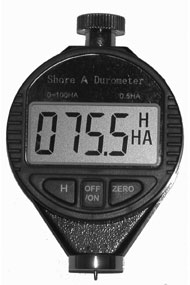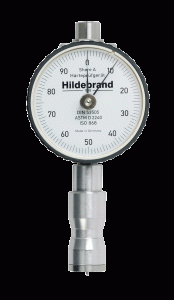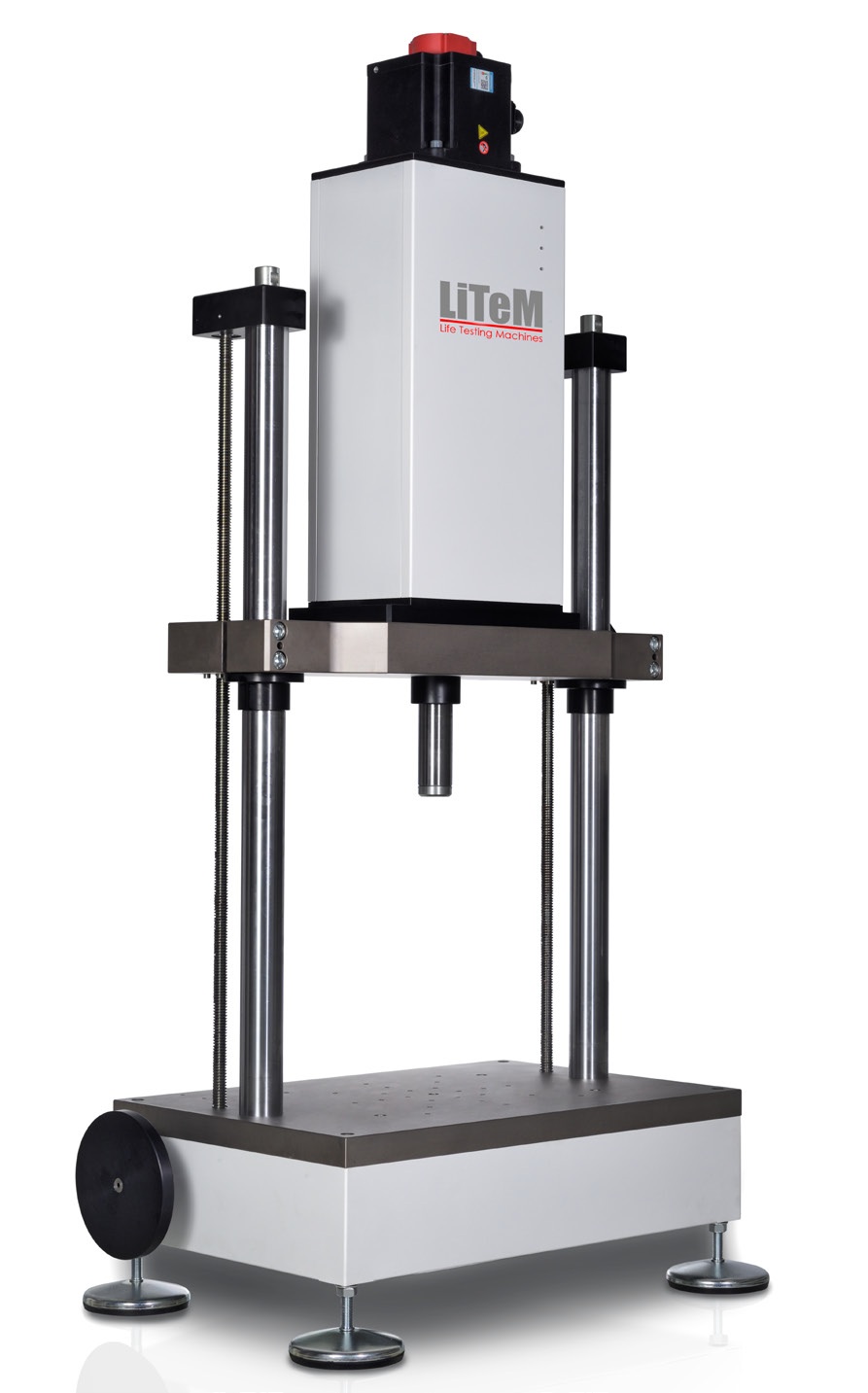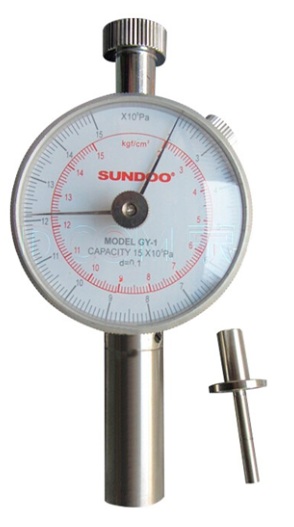
The GY Series Fruit Penetrometers are widely used throughout the horticultural, agricultural, and food production industries to measure fruit and vegetable firmness. Firmness is a key indicator of ripeness, quality, storage potential, and market readiness.
Harvest Timing
Growers use fruit firmness measurements to determine the optimum harvesting time, helping ensure produce is picked at the ideal stage of maturity for maximum quality and shelf life.
Quality Control
Packers and quality assurance personnel use penetrometers to verify that fruit meets specified firmness standards before distribution and sale.
Storage & Ripening Monitoring
Regular firmness testing allows producers to track ripening and softening during storage, transport, and distribution, helping to maintain product quality and reduce waste.
Variety & Growing Condition Assessment
Fruit firmness can vary between varieties, growing regions, climates, and seasons. The GY Series helps growers compare results and establish firmness benchmarks specific to their crops and growing conditions.
Research & Development
Agricultural researchers use firmness testing to:
- Evaluate new fruit varieties
- Study ripening characteristics
- Assess post-harvest treatments
- Investigate storage and packaging methods
Commonly Tested Produce
The GY Series is suitable for a wide range of fruits and vegetables, including:
- Apples
- Pears
- Peaches
- Nectarines
- Kiwifruit
- Mangoes
- Avocados
- Tomatoes
- Melons
- Other produce where firmness is a critical quality parameter
Key Benefits
- Provides objective measurement of fruit ripeness
- Supports optimal harvest decisions
- Helps maintain product quality and shelf life
- Monitors ripening during storage and transport
- Assists with quality assurance and research programs
- Simple, reliable, and repeatable testing method
Fruit firmness results provide an objective measure of ripeness and maturity. In general, higher firmness values indicate firmer, less mature fruit, while lower values indicate softer, more mature or overripe fruit.
Harvest Decisions
Growers use firmness readings to determine when fruit is ready for harvest:
- Too firm: Fruit may be immature and lacking flavour.
- Target firmness range: Fruit is at the optimum stage for harvesting.
- Too soft: Fruit may be overripe and have a reduced storage life.
Storage and Ripening
Firmness testing is commonly used to monitor changes during storage and distribution:
- Gradual decreases in firmness indicate normal ripening.
- Rapid softening may suggest unsuitable storage conditions or shortened shelf life.
- Uniform firmness across batches indicates consistent quality.
Quality Control
Comparing firmness readings between batches helps identify:
- Variations in growing conditions
- Differences between varieties
- Effects of storage and transport
- Consistency of harvested fruit
Understanding the Numbers
The actual firmness value considered acceptable varies depending on:
- Fruit type
- Variety
- Growing region
- Climate
- Intended market (local sale, export, long-term storage)
For example, a firmness value that indicates optimum maturity for one apple variety may be unsuitable for another. Therefore, firmness readings should always be compared against established standards or historical data for the specific crop being tested.
Best Practice
The most valuable information often comes from trend analysis rather than a single reading. By monitoring firmness over time, growers and quality managers can:
- Predict harvest windows
- Track ripening rates
- Optimise storage conditions
- Improve product consistency
- Maximise shelf life and market quality
Choose S.I. Instruments for precision you can trust, compliance you can rely on, and service that delivers confidence.